

How to Enhance Early Childhood Education in Australia with Creative Strategies
Embrace Diverse Learning Styles
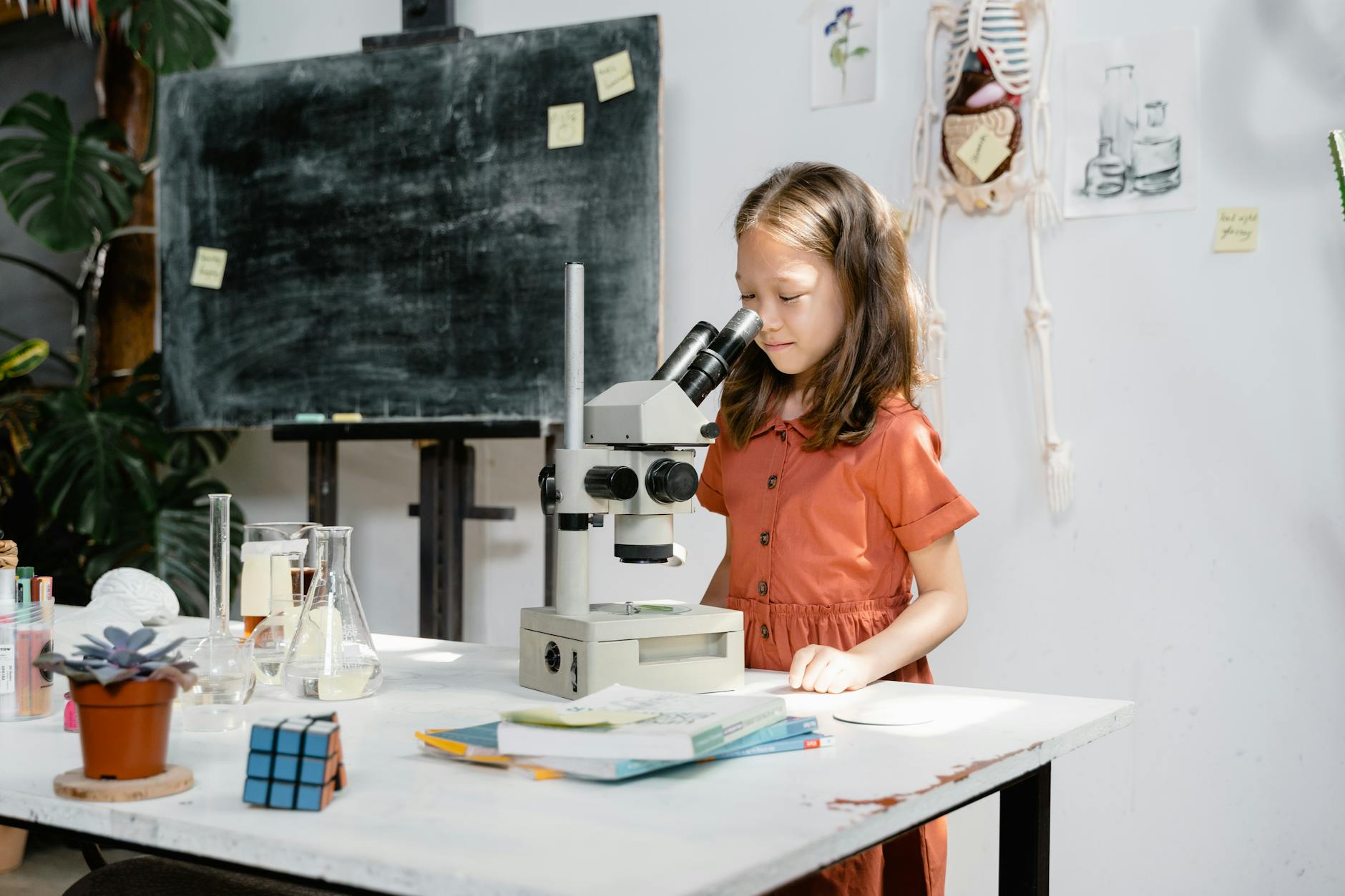
Understanding diverse learning styles in early childhood education is crucial for tailoring experiences to individual needs. For instance, some children might be visual learners who thrive when involved in hands-on activities, similar to the interactive exhibits at Brisbane's own Queensland Museum’s SparkLab. Others may prefer auditory learning, absorbing information through discussions and storytelling. It's essential to recognise these differences to create an engaging, inclusive learning environment.
Identifying Children's Learning Types
The first step is to observe how children interact with their environment and peers in educational settings. Noticing patterns in how they absorb and process information can provide valuable insights. This process is akin to assessing how children respond to various activities offered in programs such as mental health courses, where understanding individual needs is paramount.
Tailoring Activities for Diversity
Once we identify each child's learning type, activities can be tailored to support their strengths. For instance, incorporating art supplies for visual learners, storytelling sessions for auditory learners, and physical activities for kinaesthetic learners can cater to these diverse needs. Online resources like childcare courses online can be exceptionally beneficial in learning how to create these tailored experiences.
Encouraging Multisensory Engagement
Incorporating multisensory engagement into learning activities enhances children's experiences and maximises their potential. Think of using sound, visual aids, and tactile stimuli to immerse children in the learning process. This method mirrors innovative programs available for those pursuing 'early childhood education', where holistic engagement is emphasised.
By adopting these strategies, educators can ensure that each child receives a tailored educational experience.
Incorporate Innovative Teaching Tools
Leveraging Digital Resources
Integrating digital resources into early childhood education has become increasingly essential, especially in environments striving for creativity and inclusivity. For educators like myself, tools like interactive whiteboards and educational apps offer dynamic ways to engage children. I often find myself inspired by the interactive exhibits at Lone Pine Koala Sanctuary, which give children a fascinating, immersive learning experience. Similarly, utilising augmented reality in the classroom can help children visualise complex concepts, encouraging active participation and understanding beyond traditional methods.
Using Arts for Cognitive Development
Incorporating arts into the curriculum is not just enriching but also pivotal for cognitive development. Whether through painting, music, or drama, artistic activities stimulate children’s imagination and critical thinking skills. These activities can be instrumental in nurturing both emotional expression and intellectual growth. There is synergy here with frameworks like those found in community services courses, which often emphasize the importance of creativity and emotional development in support roles. By embedding arts into daily activities, children can explore ideas freely while building essential problem-solving abilities.
Introducing Nature into Learning
Nature-based education, a significant aspect of holistic learning, allows children to learn in a tactile and exploratory environment. Bringing elements of nature into classroom activities—such as collecting leaves for counting exercises or observing plant growth—can hugely benefit their understanding and curiosity about the world. Programs like cert 3 in individual support often highlight the importance of creating supportive and stimulating environments, echoing the values of learning through nature.
Foster Inclusive Education Practices
Adapting for Special Needs
As we navigate the journey of early childhood education, it becomes crucial to integrate inclusive practices that cater to all children, including those with special needs. Starting with aged care training and expanding to specialised certificates like the certificate iv in mental health, educators can be better equipped to understand and support the diverse needs of children in their care. By embarking on courses like these, educators can gain insights into behavioural patterns and mental health challenges, ensuring all children receive the support they need to thrive.
Integrating Cultural Diversity
In our early childhood settings, integrating cultural diversity is pivotal. Think of your educational environment as an interactive exhibit, much like those at Lone Pine Koala Sanctuary, where children learn about various cultures through storytelling, music, and art. Embracing this approach not only enriches the learning journey of each child but fosters an inclusive atmosphere where differences are celebrated.
Collaborating with Families
Engaging families in the educational journey can enhance the inclusive environment we strive to create. Just as South Bank’s Queensland Maritime Museum offers educational programs that bring communities together, forming partnerships with families can strengthen the support network around each child. Sharing insights and resources ensures that educators and families work collaboratively, maximising the potential for every child to succeed in a multicultural society.
Adapting our teaching approaches through such collaborative efforts empowers educators to address the unique learning needs of each child, making inclusive education an achievable reality.
Create a Nurturing Environment
Designing Engaging Spaces
Creating a nurturing environment for early childhood education begins with designing spaces that inspire curiosity and creativity. It's essential to consider both the physical layout and the materials used within these spaces. Positioning varied seating options encourages collaboration and independent work, providing flexibility as needs change throughout the day. Incorporating natural elements such as plants or windows with views of nature can also promote a calm and engaging atmosphere. Moreover, designated areas for hands-on activities can include materials from aged care courses, which foster empathy and understanding through play-acting scenarios.
Promoting Emotional Well-being
An emotionally supportive environment is vital for children's development and can be fostered through daily practices. Encouraging self-expression through art and discussion supports emotional intelligence and resilience. Providing opportunities for children to engage in activities mirroring everyday life helps them feel connected and secure. For instance, activities inspired by a diploma of community services can guide children in understanding and regulating their emotions. It is also crucial to establish routines that offer stability and structure, helping children to feel safe and reassured.
Building a Supportive Community
Finally, fostering a strong sense of community within early childhood education involves engaging caregivers, educators, and families. Collaborative activities encourage shared learning experiences, strengthening connections among all participants. Scheduling regular workshops and forums invites families to participate in their children's education process, leading to more comprehensive support systems. Networking with local entities such as educational programs at South Bank's Queensland Maritime Museum can offer exciting real-world learning extensions, further establishing a cohesive and nurturing educational community.
Addressing Common Challenges in Early Childhood Education
Balancing Diverse Needs
As early childhood educators in Brisbane, we often juggle a colourful array of learning styles and individuality in our classrooms. To navigate this, we must draw inspiration from interactive exhibits, like those at Lone Pine Koala Sanctuary, where each child's needs are as unique as a koala's fingerprint. By observing how children interact with different displays, we can gain insights into their learning preferences and adapt our teaching methods accordingly. Incorporating diverse teaching techniques, such as visual aids or hands-on activities, ensures that every child feels seen and heard.
Navigating Regulatory Standards
In a sector guided by rigorous regulations, maintaining compliance without stifling creativity can be a delicate dance. Drawing parallels to the structured but engaging programs at the Queensland Maritime Museum in South Bank, we can create curricula that adhere to standards but also inspire curiosity and exploration. Regularly reviewing policies and collaborating with fellow educators can help us streamline our processes, allowing more time to focus on what truly impacts the children—our teaching.
Overcoming Resource Limitations
Resource limitations, whether in terms of materials or funding, can pose significant hurdles. Echoing the resourcefulness seen in our local Queensland Museum’s SparkLab, consider repurposing everyday items to create stimulating learning experiences. Collaborating with community partners, applying for grants, and encouraging parental involvement can also supplement resources, ensuring that our commitment to providing quality education never falters.
By addressing these challenges with creativity and community spirit, we can continue to foster a nurturing environment for young learners, empowering us as educators to make a meaningful impact.